


Presenting Digital POS Solutions at a Business Technology Seminar
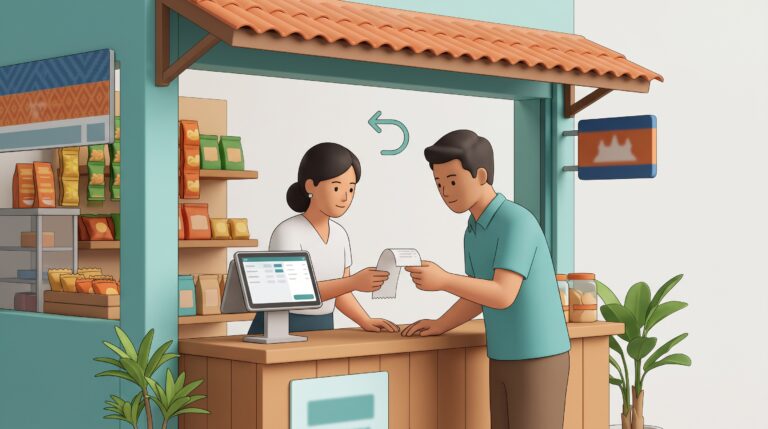
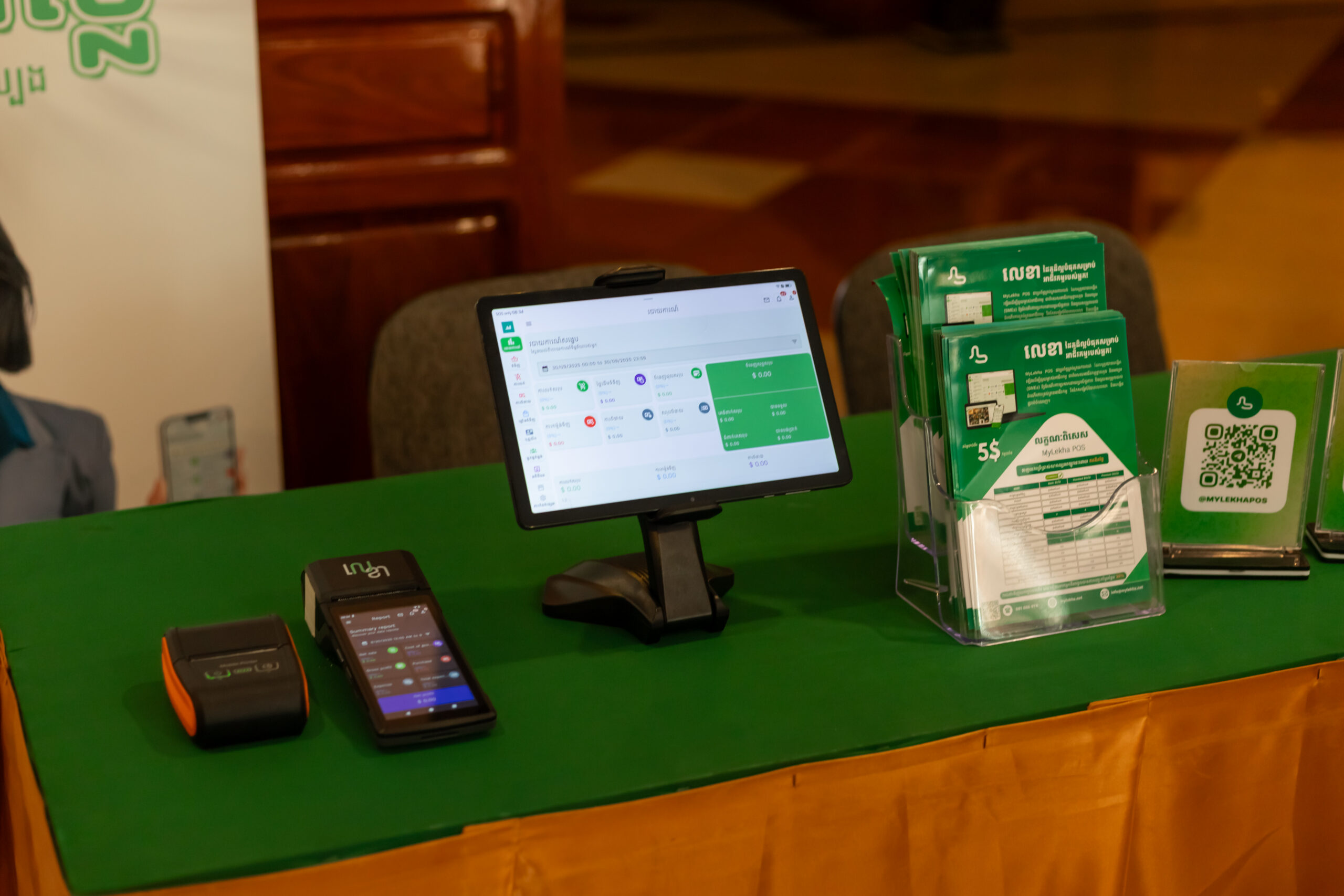
Digital POS solutions are helping Cambodian businesses manage sales, inventory, and day-to-day operations with greater speed and visibility. At a business technology seminar, MyLekha presented how a modern point-of-sale system can bring essential business information into one practical platform.
The session focused on a challenge many growing businesses face: as sales increase, manual records and disconnected tools become harder to manage. Digital POS solutions give owners and managers a clearer view of transactions, stock movement, and business performance so they can make informed decisions with less administrative work.
Why digital POS solutions matter for growing businesses
A POS system is more than a tool for recording payments. When sales and stock information are managed together, teams can work from consistent data instead of comparing handwritten notes, separate spreadsheets, and end-of-day estimates.
For retailers, restaurants, cafés, and other customer-facing businesses, this can improve both operational control and the customer experience. Staff can complete transactions efficiently, while managers can review the information they need to understand what is selling and where attention is required.
Key business benefits discussed at the seminar
1. Faster and more accurate sales processing
Digital sales records reduce repetitive manual entry and make it easier to review transactions. A structured checkout process also helps staff serve customers consistently during busy periods. Clear records support better end-of-day reconciliation and reduce the time spent checking totals.
2. Better inventory visibility
Stock management is a common pressure point for growing businesses. Connecting inventory information with sales activity helps managers see which products move quickly, which items need attention, and when stock may need to be replenished. Better visibility can reduce avoidable shortages and excess stock.
3. Practical reporting for business decisions
Reliable reports turn everyday transactions into useful business insight. Owners can review sales trends, compare performance over time, and identify popular products. This makes planning more evidence-based and helps teams respond to changing customer demand.
4. Easier oversight across daily operations
Centralized information gives business owners a simpler way to monitor activity. Instead of waiting for several separate reports, managers can review key operational data in one place. This is especially valuable when the owner is not always present at the sales counter.
Designed for the needs of Cambodian businesses
Technology creates the most value when it fits the way a business actually works. MyLekha’s presentation highlighted the importance of practical digital tools for local operators—from teams adopting a POS system for the first time to established businesses looking for stronger control as they grow.
Choosing digital POS solutions in Cambodia should begin with the business workflow. A retailer may prioritize product and inventory tracking, while a restaurant or café may focus on fast order handling and clear sales reporting. The right setup should be easy for staff to learn and should give decision-makers information they can use.
What to consider when choosing a POS system
Before adopting digital POS solutions, business owners should identify the problems they want the system to solve. Useful questions include:
- How many products, locations, or sales counters need to be managed?
- Which sales and inventory reports are most important?
- How will staff be trained to use the system consistently?
- What information does management need to review each day or week?
- Can the solution support the business as transaction volume grows?
A clear implementation plan matters as much as the software itself. Businesses should prepare product information, define staff responsibilities, and establish a routine for reviewing reports. Starting with accurate data helps the team gain value from the system sooner.
Supporting business digital transformation
The seminar created an opportunity to exchange ideas about how business technology can solve everyday operational problems. For MyLekha, presenting digital POS solutions was also a way to show how local businesses can take practical steps toward digital transformation without losing sight of simplicity and usability. This direction aligns with Cambodia’s Digital Economy and Society Policy Framework, which encourages digital adoption and transformation among businesses.
Moving from manual processes to a connected system does not need to happen all at once. Businesses can begin with core sales and stock workflows, help employees become comfortable with the process, and then use the resulting data to improve planning. A steady, well-managed transition is more sustainable than introducing technology without clear goals.
Frequently asked questions
What is a digital POS solution?
Digital POS solutions record sales and organizes transaction information electronically. Depending on the business setup, it can also support inventory tracking, reporting, and operational oversight.
Who can benefit from a POS system?
Retail shops, restaurants, cafés, and many other businesses that process customer transactions can benefit from a structured POS workflow. The best configuration depends on the size, products, and operating model of each business.
Why is inventory management important?
Accurate inventory information helps businesses understand stock movement, plan purchasing, and reduce the risk of running out of popular items or carrying more stock than needed.
Explore digital POS solutions with MyLekha
MyLekha continues to support businesses that want clearer sales records, better stock visibility, and more useful operational information. If your team is evaluating a POS system in Cambodia, explore MyLekha and discuss the workflow your business needs.